
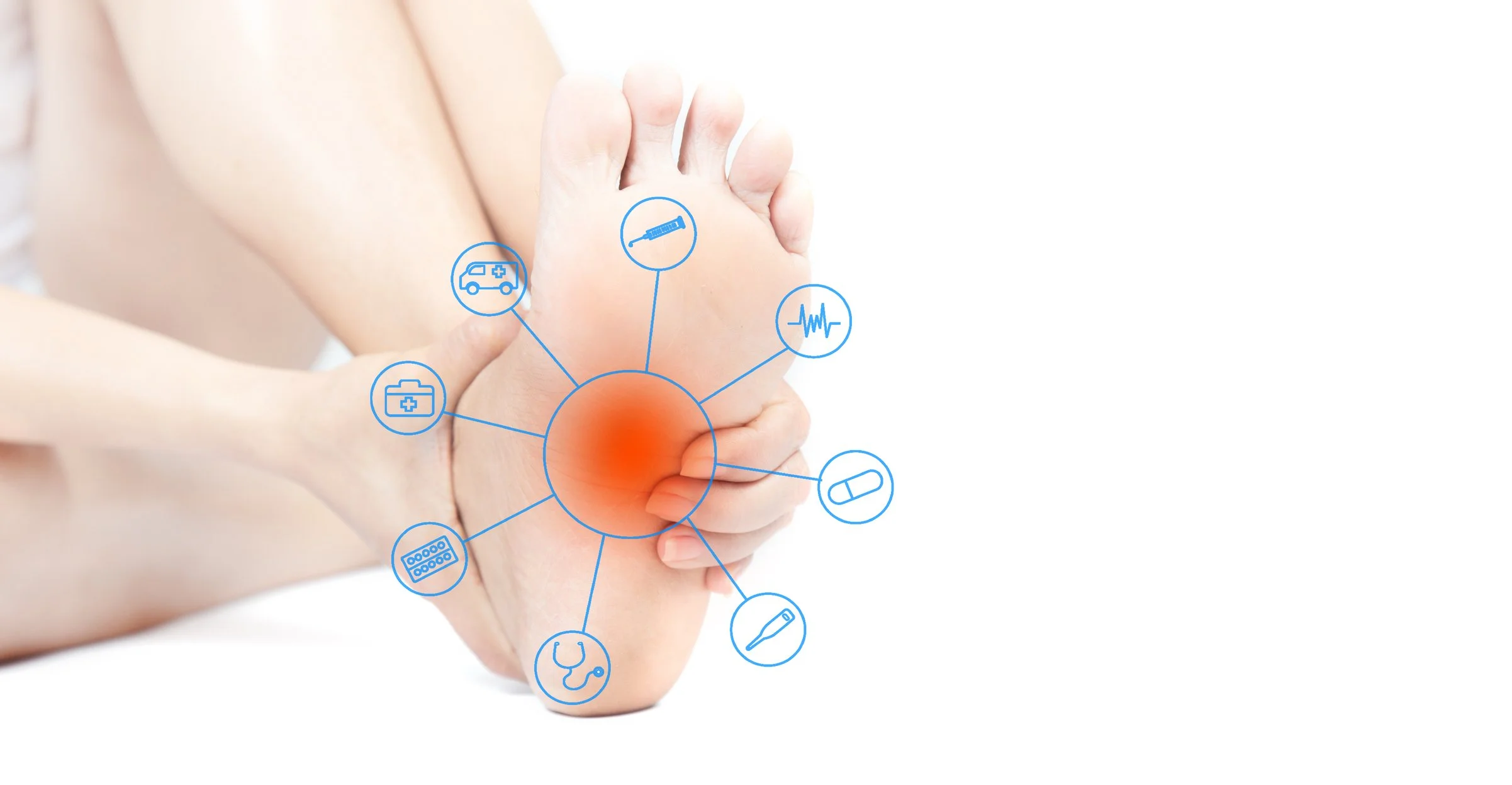
Chronic Neuropathic Pain

FDA-Cleared In-Office Neuromodulation for Chronic Neuropathic Pain
Partner with Fields Consulting Group to introduce an FDA-cleared, 30-minute in-office percutaneous peripheral nerve stimulation protocol—engineered to deliver non-pharmacological chronic neuropathic pain relief and create a high-value, reimbursable service line for your practice.
Key Program Highlights
Non-Pharmacological Pain Relief: Targeted peripheral neve stimulation designed to reduce chronic neuropathic pain scores and improve patient mobility without systemic medications.
Brief In-Office Procedure: Minimally invasive, 30-minute outpatient placement requiring zero surgical suite overhead or heavy capital equipment investment.
Established Payer Coverage: Supported by established Medicare local coverage determinations (LCDs) and major commercial insurance plans.
100% Managed Prior Authorization: Dedicated clinical support teams handle predetermination and prior authorization workflows end-to-end to streamline approvals and protect practice revenue.

Clinical Efficacy & Mechanism of Action
Advanced Neuromodulation Designed for Sustained Relief
We assist specialty practices in deploying an FDA-cleared Class II percutaneous electrical nerve stimulation (PENS) modality specifically designed as a non-pharmacological treatment for chronic neuropathic and musculoskeletal pain.
How It Works:
Applied during a precise, 30-minute in-office outpatient procedure, this minimally invasive neurostimulation protocol targets key cranio-cervical and auricular neural pathways:
Targeted Neural Pathways: Delivers controlled micro-stimulation across the auricular branch of the vagus nerve (ABVN), auriculotemporal nerve (ATN), and C1–C3 cervical spinal roots.
Endogenous Pain Modulation: Activates central neuromodulatory pathways to interrupt chronic pain signaling and support localized anti-inflammatory responses without systemic drugs.
Clinical & Operational Value
Sustained Non-Pharmacological Relief: Provides patients with meaningful, lasting reductions in chronic neuropathic pain scores and improved daily function.
Reduced Medication Reliance: Equips physicians with an evidence-backed interventional pathway to manage chronic diabetic nerve pain without relying on prescription opioids, high-dose NSAIDs, or systemic neuropathic agents.
Turnkey Outpatient Integration: Seamlessly integrates into neurology, pain management, endocrinology, and podiatry workflows with zero surgical suite overhead.

Key Advantages for Medical Practices & Facilities
Turnkey Operational Implementation
Dedicated clinical specialists provide comprehensive, one-on-one training for your providers and clinical staff to ensure seamless adoption into your existing practice workflow.
Broad Insurance Coverage
This percutaneous peripheral nerve stimulation protocol is covered by Traditional Medicare and most major commercial insurance carriers.
Fully Managed Prior Authorization
Eliminate administrative overhead. Dedicated reimbursement specialists manage the predetermination and prior authorization workflow on your practice’s behalf to streamline approvals and mitigate claim denials.
Rapid In-Office Procedure
The placement takes roughly 30 minutes in an outpatient setting, utilizing targeted anatomical mapping for precise outpatient placement and optimal therapeutic response.
Medical Necessity & Practice Qualification
Ideal Provider Profiles:
Endocrinology & Diabetes Care
Neurology & Pain Management
Primary Care & Internal Medicine
Podiatry, Rheumatology, & Vascular Surgery

Medical Necessity Criteria for Patients:
To establish coverage and medical necessity, patients typically require:
Diagnosis: Confirmed chronic neuropathic or peripheral pain condition (including diabetic peripheral neuropathy and chronic regional pain syndromes).
Pain History: 3 to 6 months of documented chronic pain (NRS score > 5).
Failed Conservative Care: At least one failed prior conservative modality (e.g., prescription medications, OTC options, physical therapy, compression therapy, or injections).
No Contraindications: Free of active pacemakers, deep brain/spinal cord stimulators, hemophilia, or pregnancy.

Bring Advanced Neuromodulation to Your Practice
Expand your clinical treatment options for chronic neuropathic pain while growing your practice's operational revenue. Schedule a brief advisory call to evaluate integrating an in-office neuromodulation protocol into your clinic.
Request a Practice Assessment
Complete the form below, and our advisory team will connect with you within one business day.